


Beat Live: Show Music Game
4.378.00 Reviews
App Specs
- Version
- 34
- Updated On
- License
- Free
- Downloads
- 5,000,000+
- Developer
- MobiOneGame Global
- Categories
- Music
- Platform
- Android
Screenshots
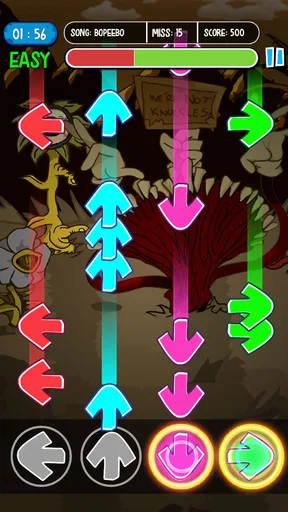
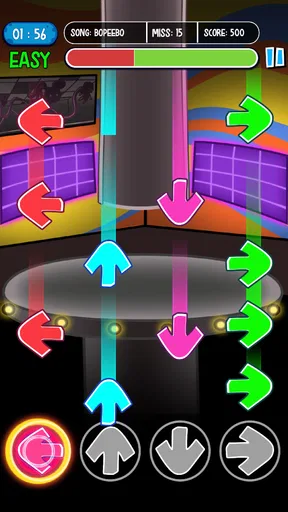
 Analysis by AppCompare
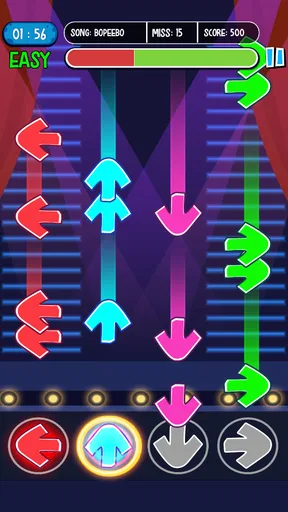
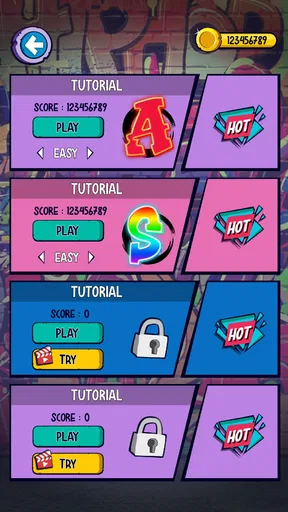
I spent time with Beat Live: Show Music Game as a quick rhythm game rather than treating it like a full music-production tool, and that distinction matters. This is a free music game from MobiOneGame Global, built around the feeling of performing on stage and keeping up with beats. Its appeal is immediate: you open it, choose a session, and focus on timing instead of learning a complicated interface.
My first impression was that it aims for short bursts of entertainment. It feels better suited to a spare moment on the sofa, during a commute, or between tasks than to a long, uninterrupted gaming session. The presentation wants you to feel like the performer, but the real test is whether the rhythm remains enjoyable after the novelty fades. In my experience, the answer depends heavily on how much you enjoy repetition, timing challenges, and music-led interaction.
The game has reached a broad audience, with more than five million installs and an average rating of 4.3 from roughly 3.8 thousand ratings. That gives it a useful level of visibility without making it seem like a niche experiment. It is also marked for Everyone, so it is an approachable choice for younger players and families, although adults looking for deep progression may find the experience lighter than a dedicated console rhythm title.
How Beat Live feels during ordinary play
I find Beat Live works best when I treat each attempt as a small performance, not a test I have to perfect. This section looks at how the simple act of starting a run can set the pace for the rest of a session, including a practical way to approach the first few moments. From there, the focus shifts to how the game’s feedback shapes the decision to try again.
A fast start is one of its strongest qualities
What I like most is the low barrier to entry. A rhythm game should make the first interaction understandable, and Beat Live generally presents itself as something you can grasp quickly. You do not need to spend a long time studying menus before discovering whether the timing feels comfortable. That makes it useful when I want a small distraction rather than another game that demands a serious commitment before becoming fun.
The performance fantasy also gives the sessions a clear identity. Instead of feeling like an abstract exercise in tapping, the game frames the action as a live show. That framing may sound simple, but it helps the beats feel connected to a goal. When I am trying to stay in time, I am not merely clearing symbols; I am trying to keep the imagined performance from losing its energy.
That said, the speed of the experience is not the same as depth. The game gets moving quickly, but players who expect a large competitive system, detailed music editing, or a long campaign should adjust their expectations. Beat Live works best when I judge it as a compact rhythm diversion. It is less convincing as a replacement for a more elaborate music game with extensive customization and a carefully layered progression structure.
Worth Reading Before You Choose

EA SPORTS FC Mobile 26 Is a Bigger Football Game, but It Takes Time

Flipboard Shows What News Apps Must Do Beyond the Feed

Switching to Android Auto Means Rethinking Your Driving Routine

Google Calendar Makes a Crowded Week Easier to Manage

Ludo King Makes the Most of the Minutes Between Plans

Baby Panda World Brings Quick Play to Modern Phones, but Its Game Library Feels Busy
What happens when a session becomes demanding
The most demanding moments are the sections where the rhythm asks for sustained attention rather than a few isolated taps. This is where the game’s central idea either clicks or becomes tiring. I found that concentration matters more than raw reflexes. If I look away for even a moment, the performance feeling can quickly turn into damage control, especially when I am already trying to recover from a missed beat.
A practical tip is to begin with a relaxed grip and keep the phone steady before the music becomes busy. Holding the device too tightly makes short sessions surprisingly uncomfortable, and shifting it mid-performance can be more disruptive than the difficulty itself. I also prefer playing with notifications silenced, because a banner appearing over a timing-focused moment can break the rhythm even when the game is otherwise behaving normally.
Another useful habit is to treat the first attempt as a calibration run. Rather than chasing a perfect result immediately, I use the opening play to learn the rhythm’s pace and how much visual attention the game expects. That approach reduces frustration and makes it easier to tell whether a poor result came from my timing or from an awkward moment on the screen. It is a small change, but it makes the game feel less punishing.
Stability and recovery in everyday use
For a casual game, reliability is not only about avoiding crashes. It is also about how easily I can return to the action after an interruption. Beat Live is most appealing when it behaves like a game I can pick up without ceremony. A short session loses much of its value if returning from another app becomes a complicated process or if an unexpected interruption makes me feel that my progress was wasted.
I recommend treating it as a focused activity rather than something to leave running while switching constantly between apps. That is sensible for any timing game, but it is especially important here because the experience depends on attention. If a call, message, or system interruption arrives, I would rather finish the current attempt and restart cleanly than assume the exact rhythm will be preserved.
The game’s current version is 33, which suggests that it has received ongoing iteration rather than remaining at its original release state. It first appeared on July 28, 2022, so it is not a brand-new release. That history is relevant when deciding whether to try it: there has been time for the basic concept to settle, but the game still feels designed around accessible sessions rather than a major reinvention of the rhythm genre.
My recovery advice is simple: if a run goes badly after an interruption, do not immediately blame the device. Restart the attempt, put the phone on a stable surface, and compare the next run under calmer conditions. Rhythm games magnify small distractions, so a single disrupted session is not enough to judge overall reliability.
How much the phone matters
Beat Live requires Android 8.0 or later, which keeps it available to a wide range of Android phones. Compatibility is helpful, but it should not be confused with identical performance across every supported device. A newer phone may handle loading and touch response more comfortably, while an older compatible model may feel less pleasant during longer play, especially if it is already busy with background tasks.
I would close unused apps before playing on an older device and avoid starting a session when the phone is noticeably hot. Heat, low battery, and crowded background activity are not ideal conditions for any game where timing matters. These steps do not transform the game, but they reduce avoidable distractions and make the result more representative of the game itself.
Screen size also affects the experience. A compact phone is easier to hold during a commute, but a larger display can make visual cues more comfortable to follow. The trade-off is portability versus ease of viewing. I would choose a medium or large screen for regular play and accept a smaller device for occasional sessions when convenience matters more than maximum comfort.
Storage and resource expectations should be considered realistically. Beat Live is a mobile music game, not a desktop audio workstation, but music-focused games can still feel less pleasant when a phone is under strain. I would not install it on a device that is already struggling with ordinary apps and expect a perfect experience. The minimum operating-system requirement is modest, yet the overall feel still depends on the phone’s condition, touch response, and available headroom.
Where it fits beside other music games
Compared with a traditional music player, Beat Live offers interaction instead of passive listening. That makes it a better choice when I want to participate in the music rather than simply let a playlist run. Compared with a serious rhythm title, however, it is more approachable and less demanding in commitment. A player who wants a quick stage-themed challenge may prefer this lighter format, while someone seeking extensive song mastery, competitive rankings, or deep customization should look elsewhere.
It also differs from rhythm games that are built around a single recognizable franchise or a highly specialized instrument simulation. Beat Live’s identity comes from the live-show presentation and the straightforward beat-focused loop. That can be a strength for someone who wants a clean, uncomplicated entry point. It can also become a weakness for experienced rhythm players who need constant novelty or a more technically demanding system to stay interested.
The free price makes trying it easy. There are in-app purchases priced at $1.99 per item, so I would approach the game with a clear personal limit before spending. The sensible approach is to play the free experience long enough to decide whether the core rhythm loop genuinely holds attention. If the basic sessions already feel repetitive, buying an item is unlikely to solve that problem. If the game becomes a regular short break, a small purchase may feel reasonable, but it should be an optional convenience rather than an assumed cost of entry.
Who will enjoy it most
I would recommend Beat Live to someone who likes music games but does not want a large learning curve. It is a good match for casual players, younger users, and anyone who enjoys the feeling of keeping a performance alive through timing. It also suits people who want a game that can be opened for a few minutes without building a complicated setup around it.
A realistic everyday scenario would be a short evening break after work. I can imagine opening the game while waiting for dinner, playing a couple of attempts, and putting the phone down without needing to remember a large story or manage a long list of objectives. That kind of use is where the game makes the most sense: it gives the break a little structure and energy without asking for a full evening.
Families may also appreciate the Everyone age rating, especially when looking for a music-themed game that is easy to explain. Still, I would keep expectations appropriate. The rating describes broad suitability, not guaranteed educational value or unlimited family appeal. Children who enjoy bright performance themes may connect with it quickly, while those who prefer exploration, building, or story-driven play may lose interest.
Who should probably skip it
I would skip Beat Live if your main goal is to create music, practice an instrument, or study rhythm in a structured way. The game is about playing along with a performance concept, not replacing lessons or production software. I would also hesitate to recommend it to a player who needs a deep long-term challenge and becomes bored when the central interaction remains focused on the same basic idea.
It may not be ideal for someone who plays primarily on an aging phone and expects demanding sessions to feel identical to those on a newer device. The Android requirement is accessible, but supported does not mean optimized for every handset. If touch response already feels inconsistent in other games, a timing-based title may make that weakness more noticeable.
Finally, players who dislike in-app purchase prompts should decide early whether the free experience feels complete enough for them. The presence of $1.99 items does not automatically make the game poor value, but it does mean I would pay attention to the way optional spending fits into my own habits. A free download is easiest to enjoy when I am comfortable treating purchases as entirely discretionary.
My performance verdict after using it
Beat Live succeeds because it understands the value of an immediate rhythm loop. It gets me into a stage-minded music challenge quickly, works well as a short break, and does not require specialist knowledge. The broad install base and 4.3 average rating reflect that accessible appeal, while the Everyone classification makes it easier to consider for a mixed-age household.
Its limitations are just as clear. The game is not the right substitute for a full music-learning app, an advanced rhythm competition, or a deep console-style campaign. Long sessions may expose repetition, and older or busy devices may make timing feel less comfortable than expected. My best results came from using it in focused bursts, with a steady phone, fewer interruptions, and realistic expectations about what a free mobile music game is trying to provide.
Overall, I would suggest giving it a try if you want a light, stage-themed rhythm experience and your phone runs Android 8.0 or newer. The best reason to install it is not its size or popularity, but the convenience of turning a few spare minutes into an active musical challenge. I would keep spending optional, judge the game after several calm sessions rather than one interrupted attempt, and choose a different app if your priority is serious music practice or complex progression.
For me, that places Beat Live: Show Music Game in the enjoyable casual category: easy to approach, useful for quick entertainment, and most satisfying when played in moderation. It does not need to be more ambitious than that to be worthwhile, but it does need to be judged on the kind of experience it actually offers.
Pros
- Fast rhythm gameplay that is easy to learn but challenging to master.
- Live-style stages create an energetic concert atmosphere.
- Short sessions work well for quick breaks or daily play.
- Unlockable songs and content give progression a clear purpose.
- Bright visuals and responsive effects make performances feel rewarding.
Cons
- Some songs or features may require in-app purchases to unlock.
- Difficulty spikes can make later levels frustrating for casual players.
- Frequent effects may feel overwhelming on smaller screens.
- Gameplay can become repetitive if the available song list feels limited.
- Performance may vary on older devices during busy visual sequences.
FAQs for Beat Live: Show Music Game
What is Beat Live: Show Music Game?
Beat Live: Show Music Game is a rhythm-focused mobile experience in which you follow musical timing, tap or swipe to the beat, and participate in energetic performance-style challenges. Its presentation is designed to feel like a live show, combining songs, visual effects, progression, and score chasing. The main appeal is improving your timing while unlocking more content and trying to achieve higher ratings.
How do you play Beat Live: Show Music Game?
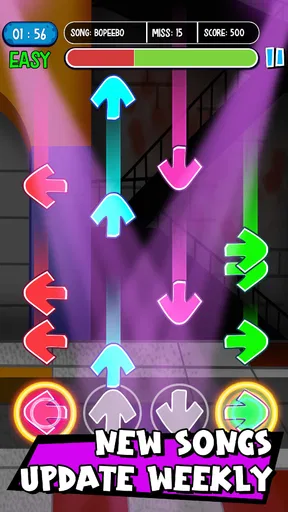
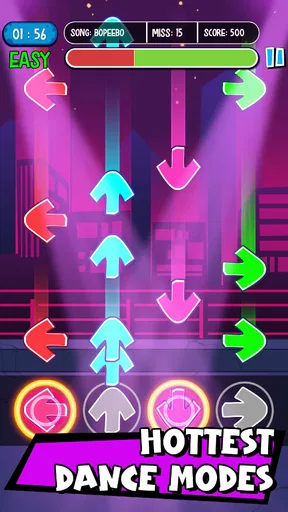
Gameplay is based on reacting to notes or prompts as they reach the correct position on the screen. You need to tap, hold, or swipe at the right moment, depending on the challenge and song. Accurate actions build better scores and combos, while missed notes reduce your performance. The controls are easy to understand, although later stages can require quick reactions and consistent concentration.
Is Beat Live: Show Music Game free to download and play?
The game can generally be downloaded without an upfront purchase, allowing players to try its core rhythm gameplay at no initial cost. However, free mobile games may include advertising, optional purchases, or systems that limit certain content through progression or in-game resources. Before spending money, check the store listing and purchase settings, especially if children may use the device.
Does Beat Live: Show Music Game require an internet connection?
An internet connection may be needed for downloading the game, receiving updates, loading advertisements, synchronizing progress, or accessing online-related features. Some basic gameplay may work offline, but this can depend on the version installed and the device platform. If you plan to play while traveling, test the game without a connection first rather than assuming every mode will remain available.
Is Beat Live: Show Music Game suitable for all ages?
The game is generally approachable for players who enjoy music and timing challenges, but parents should review the official age rating before installation. Advertisements, optional purchases, fast visual effects, or difficulty that encourages repeated attempts may not suit every child. It is also wise to check the app’s privacy information and use parental controls when younger players have access to the device.


